UNSC Reforms: A Global Necessity – PM Modi's Urgent Call
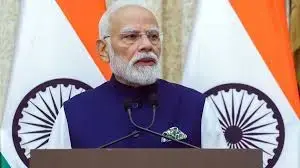
UNSC Reforms: A Global Necessity – PM Modi's Urgent Call
In a pivotal address at the G20 summit, Prime Minister Narendra Modi forcefully articulated the urgent need for UNSC Reforms, declaring them 'no longer an option, but a necessity.' This powerful statement underscores a growing global consensus that the existing structure of the UN Security Council is fundamentally outdated and fails to reflect the complex geopolitical realities of the 21st century. Modi's intervention highlights the critical importance of evolving international institutions to remain relevant and effective in addressing contemporary global challenges. He emphasized that the current configuration, established decades ago, no longer adequately represents the diverse voices and power dynamics of the modern world. The call for UNSC Reforms is deeply rooted in the principle of equitable global governance, advocating for a more inclusive and representative council. The Prime Minister specifically championed the cause of the Global South, asserting that their perspectives and interests must be genuinely reflected within global decision-making bodies. This move towards greater representation is crucial for fostering a truly multilateral system capable of tackling issues ranging from climate change to peace and security. Modi's appeal extends beyond mere structural adjustments, urging a fundamental reimagining of international institutional reform to build trust and legitimacy. He stressed that a lack of comprehensive UNSC Reforms risks undermining the very foundations of international cooperation and stability. This article delves into the implications of PM Modi's decisive statement, exploring why these reforms are indispensable for forging a more balanced, just, and effective global order, ensuring the UN Security Council necessity for future generations.

FAQs

Why are UNSC reforms considered a necessity by PM Modi?

PM Modi states UNSC reforms are necessary because the current structure is outdated and doesn't reflect 21st-century geopolitical realities. It needs to be more representative and inclusive to effectively address global challenges and incorporate voices from the Global South.

What is the primary argument for reforming the UN Security Council?

The main argument is that the UNSC's current composition, established post-WWII, lacks legitimacy and effectiveness in today's world. It doesn't adequately represent rising powers or the majority of the global population, hindering its ability to make universally accepted decisions.

How would UNSC reforms benefit the Global South?

Reforms aim to provide the Global South with a stronger voice and greater representation within the UNSC. This would ensure their perspectives, concerns, and interests are considered in critical global security decisions, leading to more equitable and effective multilateral solutions.

What challenges hinder the implementation of UN Security Council reforms?

Significant challenges include resistance from existing permanent members who wish to retain their veto power, disagreements among member states on new permanent or non-permanent seats, and the complex process of amending the UN Charter which requires broad consensus.

What role did PM Modi's statement at the G20 play in highlighting UNSC reforms?

PM Modi's statement at the G20 summit elevated the discussion on UNSC reforms onto a prominent international stage. By calling them a 'necessity,' he pushed for greater urgency and consensus among leading global economies to address the structural deficiencies of global governance.