Israeli Strike Kills Hezbollah Chief Haytham Tabatabai
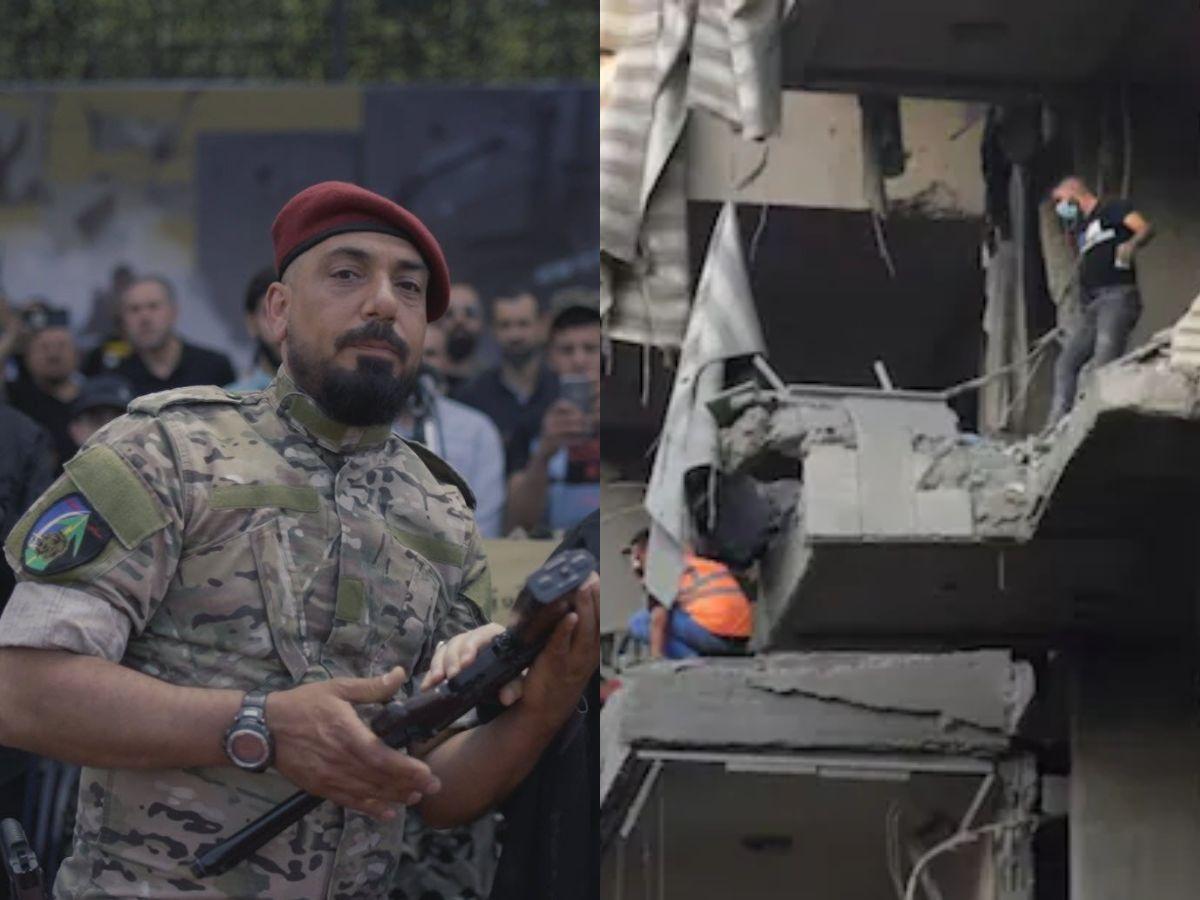
Israeli Strike Kills Hezbollah Chief Haytham Tabatabai
In a significant development reported by Israeli media, a precise Israeli strike on Beirut has led to the death of Haytham Ali Tabatabai, identified as a senior Hezbollah chief of staff. This targeted operation marks a critical escalation in the already tense regional landscape. The news of the Hezbollah chief killed in the Lebanese capital sends ripples across the Middle East, highlighting the ongoing, complex conflict dynamics between Israel and Hezbollah. Tabatabai, a prominent Hezbollah commander, was reportedly a key figure within the organization, responsible for operational planning and coordination. His sudden death in the Beirut airstrike is expected to have strategic implications for Hezbollah's command structure and its future operations. The incident underscores the continuous regional tensions and the volatile security situation prevailing in the area. Experts suggest that such a high-profile target being eliminated could either deter or provoke further retaliatory actions, intensifying the Middle East conflict. The Israeli Defense Forces (IDF) have frequently engaged in operations targeting Hezbollah assets and personnel, citing security threats from the Iran-backed group. The Hezbollah chief killed in this latest strike represents a major blow to the organization's top brass. This event is not isolated but rather part of a broader pattern of engagements in the region, including actions in Syria and along the Israel-Lebanon border. The international community watches closely as reactions unfold, especially given the humanitarian concerns and the fragile peace in Lebanon. The implications of Haytham Ali Tabatabai's death extend beyond immediate military considerations, potentially influencing diplomatic efforts and regional power balances. Understanding the full scope of this Israeli strike and its aftermath is crucial for grasping the evolving security scenario in the Levant. The confirmed Hezbollah chief killed scenario amplifies calls for de-escalation from various global actors, even as both sides remain poised for potential further confrontations. This event will undoubtedly be a central topic in discussions concerning Israel's security posture and Hezbollah's operational capabilities in the coming days.

FAQs

Who was Haytham Ali Tabatabai and what was his role in Hezbollah?

Haytham Ali Tabatabai was identified by Israeli media as a senior Hezbollah chief of staff. He was a high-ranking commander believed to be instrumental in the organization's operational planning and execution. His role suggests significant involvement in Hezbollah's military structure and activities.

Where did the Israeli strike that killed Haytham Ali Tabatabai occur?

The Israeli strike that resulted in the death of Haytham Ali Tabatabai reportedly occurred in Beirut, the capital city of Lebanon. This location is significant given the ongoing regional sensitivities and the frequent cross-border engagements.

What are the potential implications of this strike for Hezbollah's operations?

The death of a senior Hezbollah chief of staff like Haytham Ali Tabatabai could significantly impact the organization's command structure and operational capabilities. It may disrupt future planning, create a leadership void, and potentially lead to internal realignments within the group.

How has Israel responded to reports of Haytham Ali Tabatabai's death?

The article states that the news of Haytham Ali Tabatabai's death was reported by Israeli media. As of the information provided, there is no direct official confirmation or claim of responsibility from the Israeli government or the IDF regarding this specific strike.

What is the broader context of Israeli strikes against Hezbollah targets?

Israeli strikes against Hezbollah targets are part of a long-standing pattern of conflict in the Middle East. Israel views Hezbollah, an Iran-backed group, as a significant security threat operating from Lebanon and Syria. These operations aim to degrade Hezbollah's military capabilities and prevent what Israel perceives as hostile actions or the transfer of advanced weaponry.